
Rick Taylor, Director of Beaty Biodiversity Museum and Professor of Zoology, UBC

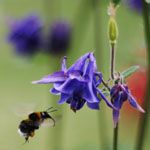
Widespread species losing ground in Canada
I just returned from the spring species assessment meeting of COSEWIC (Committee on the Status of Endangered Wildlife in Canada) that was held in Halifax, NS, April 24-May 2. Functioning independently from government, COSEWIC is a committee of scientists that advises the federal government on the conservation status of wildlife species in Canada under the Species at Risk Act.
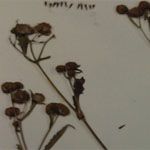
A workshop on how to identify rare plants
UBC Herbarium research associate Dr. Terry McIntosh and I ran a workshop for Katzie First Nation Traditional Resource Specialist Roma Leon and Environmental Technician Paul James on rare plant identification.
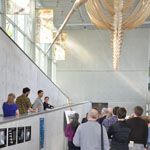
Celebrating Five Years of the BRITE Internship Program!
On May 6 2014, we celebrated the fifth year of BRITE internships, with a panel discussion on careers and networking and a reception under the whale at the Beaty Biodiversity Museum. BRITE or Biodiversity Research: Integrative Training and Education is an NSERC-CREATE-funded training program. For the past five years, the Biodiversity Research Centre (BRC) at the University of British Columbia (UBC) has hosted the BRITE Internship Program.
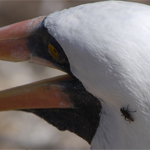
Washing Birds for Arthropod Ectosymbionts video now online
We are very pleased to announce the release of a new video to augment the “Using and contributing to Avian Collections Workshop” series. This workshop features an international roster of speakers discussing the changing uses of avian collections and demonstrating techniques to prepare and preserve specimens.
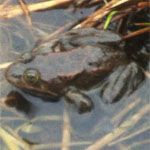
Oregon Spotted Frog
Ever since I can recall I have loved frogs. Some of my first memories were of catching frogs in the swamps and ponds of Northwestern Ontario. I think I spent whole summers doing nothing but.

Extreme Adaptations
As humans, we are drawn to the extreme – the grotesque, exciting, adorable, implausible and incredible. Organisms on this earth are equipped with extreme adaptations, capable of achieving amazing feats, while inhabiting and surviving in the seemingly impossible. There are extreme and fascinating examples from every branch on the tree of life. What are these extreme adaptations? How do they arise? How do we study them in extreme parts of the earth? At the museum, we will help satiate your extreme curiosity about the world around you.
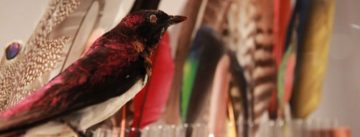
Image Gallery
Visit our galleries, programs and events before you even leave your home. Scroll down to see the latest photos from the museum. For a deeper look, check out the Beaty Biodiversity Museum’s Flickr page.
Humpback Whale Conservation: Un-muddying the waters
The recent decision by the federal government to change the conservation status of the North Pacific population of humpback whale under the Species at Risk Act (SARA) from Threatened to a species of Special Concern has led to a flurry of media attention. One of the major reasons for such attention is because, in the […]
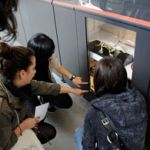
Members Only Sneak-Peek Morning: April 2014
Join Beaty Biodiversity Museum members from 8:30 a.m. to 10:00 a.m. in this special, members-only, sneak-peek event. A Beaty Biodiversity Museum membership means joining and supporting a lively community of people inspired by biodiversity, engaged with the natural world, and dedicated to conservation.
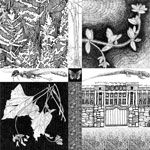
Remnants
January 31 – April 20, 2014
Dana Cromie
This series of portraits is Dana Cromie’s reaction to the ongoing reduction by human activity of natural habitat.