
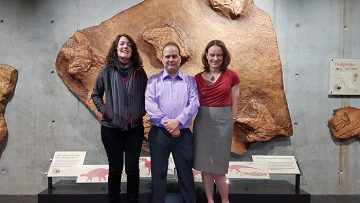
Dinosaur Trackways opens with record Nocturnal crowd
Over 140 people attended the opening of our new Dinosaur Trackways exhibit on Thursday, March 29.
Over 140 people attended the opening of our new Dinosaur Trackways exhibit on Thursday, March 29.
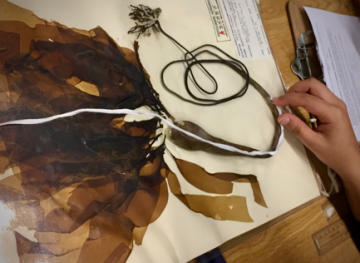
One of the most interesting things I found when I first started as curator, was to realize that we did not have a full inventory of our collection! We know we have over 700,000 specimens so it’s not an easy task to find gaps in our collections. Imagine that, not knowing what you have in your museum collection.
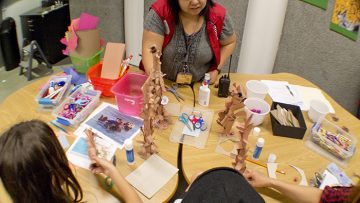
During Spring Break, join the Beaty Biodiversity Museum every day at 12:00 pm for a different hands-on activity, brought to you by volunteers, staff, curators, and special guests!
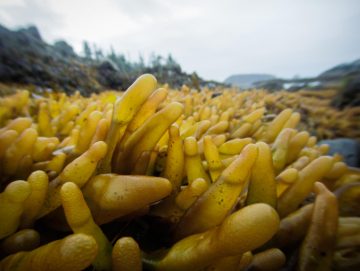
A new phone app makes identifying seaweed easier than ever before.
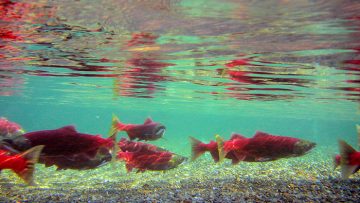
The Fraser River’s iconic sockeye salmon (Oncorhynchus nerka), was a major focus of conservation status assessments at the recent Committee on the Status of Endangered Wildlife in Canada (COSEWIC) in Ottawa November 26 – December 1.
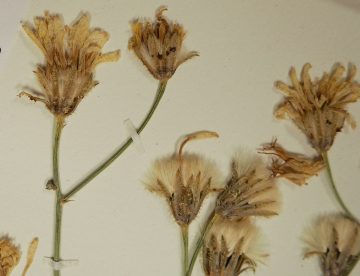
Darwin noticed that closely related species rarely occur together in nature – in one place, we find coyotes or wolves but not both. Because related species have similar needs, scientists have thought that competition for food or space drives this pattern. We investigate another possibility.
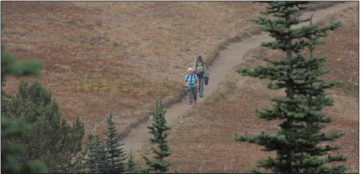
Olivia Lee, the museum’s Collections Manager Bryophytes, Fungi & Lichens, recaps this summer’s foray in Manning Park.
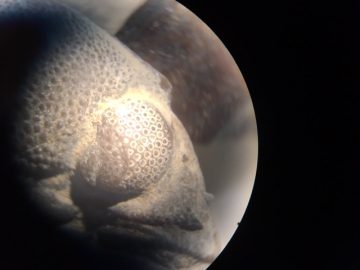
Let’s focus on one of the most fascinating things that evolved in trilobites that helped them survive over the course of all those millennia: their eyes.
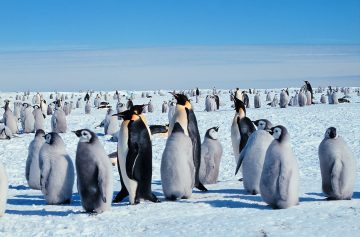
Much of the partnership between female and male emperor penguin is spent apart, like long-distance lovers.
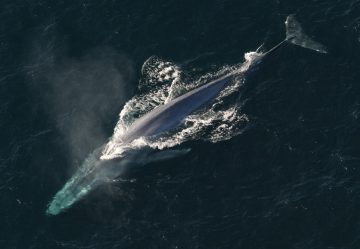
The Blue Whale lives most of its life in solitude, until they’re ready to mate of course. They migrate to warmer waters to a particular place closer to the equator and begin courtship, much like humans flock to clubs and flirt.