
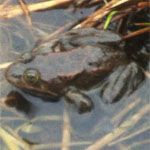
Oregon Spotted Frog
Ever since I can recall I have loved frogs. Some of my first memories were of catching frogs in the swamps and ponds of Northwestern Ontario. I think I spent whole summers doing nothing but.
Ever since I can recall I have loved frogs. Some of my first memories were of catching frogs in the swamps and ponds of Northwestern Ontario. I think I spent whole summers doing nothing but.

As humans, we are drawn to the extreme – the grotesque, exciting, adorable, implausible and incredible. Organisms on this earth are equipped with extreme adaptations, capable of achieving amazing feats, while inhabiting and surviving in the seemingly impossible. There are extreme and fascinating examples from every branch on the tree of life. What are these extreme adaptations? How do they arise? How do we study them in extreme parts of the earth? At the museum, we will help satiate your extreme curiosity about the world around you.
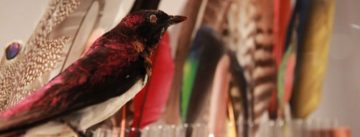
Visit our galleries, programs and events before you even leave your home. Scroll down to see the latest photos from the museum. For a deeper look, check out the Beaty Biodiversity Museum’s Flickr page.
The recent decision by the federal government to change the conservation status of the North Pacific population of humpback whale under the Species at Risk Act (SARA) from Threatened to a species of Special Concern has led to a flurry of media attentio
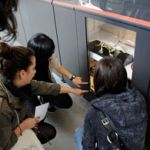
Join Beaty Biodiversity Museum members from 8:30 a.m. to 10:00 a.m. in this special, members-only, sneak-peek event. A Beaty Biodiversity Museum membership means joining and supporting a lively community of people inspired by biodiversity, engaged with the natural world, and dedicated to conservation.
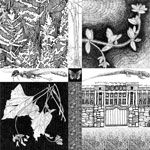
January 31 – April 20, 2014Dana CromieThis series of portraits is Dana Cromie’s reaction to the ongoing reduction by human activity of natural habitat.
Perhaps no one knows the link between humans and the environment better than a farmer? But we often forget the link between agricultural land and biodiversity. That is why the recent decision by the BC government to amend the Agricultural Land Commission Act jeopardizes not only the future of one of BC’s premier industries but also imperils biodiversity in general and species-at-risk in particular.

Have you ever wondered how the hundreds of black Beaty cabinets become filled with specimens? Beaty collectors include dedicated specialists from the community, who contribute dried specimens and detailed notes. Two outstanding contributors, Oluna Ceska, a mycologist, and Adolf Ceska, a plant ecologist, both from Vancouver Island, arrived at the Beaty loading dock on March 31, 2014 with 52 shoe boxes containing 3312 new specimens of dried fungi, collected from 2010 to 2013.
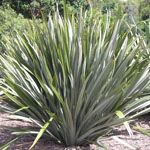
April 6, 2014, 1:00pmJackie Chambers Jackie Chambers, Education and Outreach Manager of the Beaty Biodiversity Museum, will reveal the ecological and cultural importance of this amazing plant. Included with museum admission or membership

March 15-30, 2014Join the Beaty Biodiversity Museum every day at 12:30 p.m. for a different hands-on activity, brought to you by volunteers, staff, curators, and special guests! Meet new friends while exploring different aspects of the biodiversity around us.